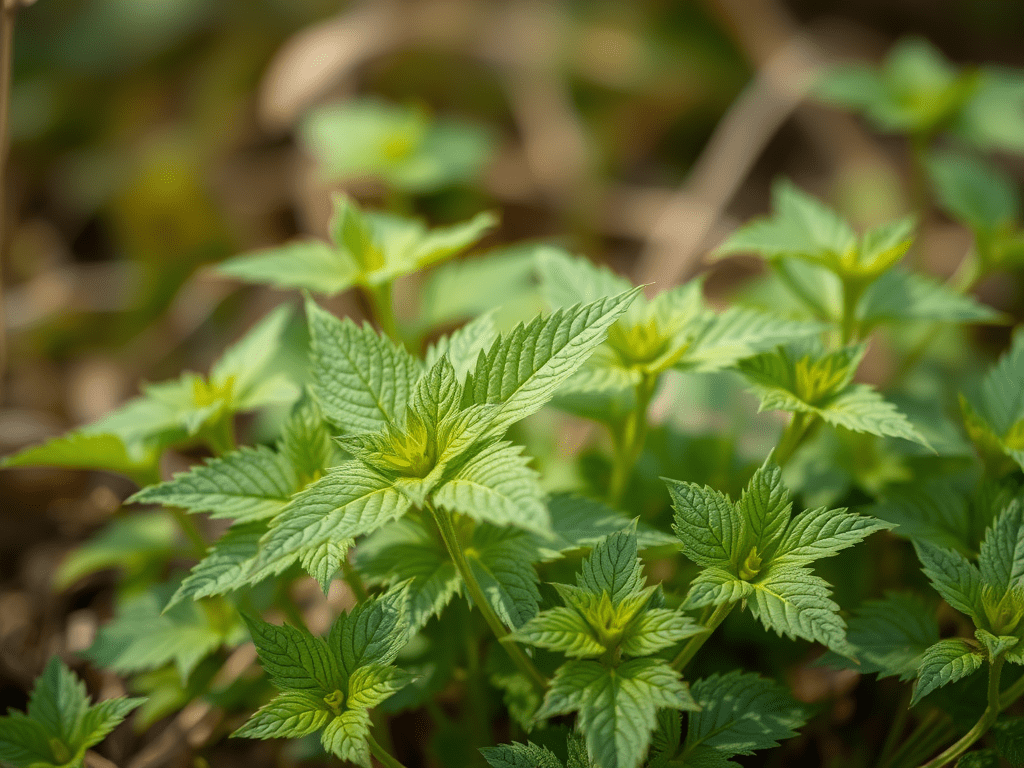
As the snow melts and the first green shoots of spring emerge, our bodies experience a shift that mirrors the natural world’s reawakening. Spring, while a beautiful season of growth and renewal, can also be a period of adjustment as we move from the cold, dormant winter to a vibrant, energetic spring. This seasonal transition often challenges our immune system, exacerbates allergies, and puts a strain on our liver, which has been working hard to detoxify our body throughout the winter. In traditional practices, spring is associated with the Wood element, symbolizing growth, renewal, and vitality but also requiring grounding and stability as the energy of life forcefully returns.
To support your body through these changes, integrating specific herbs into your daily routine can be tremendously beneficial. Here are five herbs that are particularly effective in boosting immunity, supporting liver function, managing allergies, and grounding the body’s energy.
1. Nettle (Urtica dioica) Nettle is a formidable ally during spring when allergies and immune challenges abound. Rich in vitamins A, C, K, and several B vitamins, as well as minerals like iron, magnesium, and potassium, nettle supports the body’s immune system and reduces histamine production, which is crucial for allergy sufferers. A study published in the Journal of Phytotherapy Research showed that nettle extract could significantly reduce allergic rhinitis symptoms. You can enjoy nettle in teas, soups, or as a cooked green to harness its full potential.
2. Milk Thistle (Silybum marianum) Milk thistle is renowned for its liver-protecting properties. The active ingredient, silymarin, not only helps protect the liver from toxins but also promotes liver cell regeneration. According to research in the “World Journal of Hepatology,” silymarin’s antioxidant and anti-inflammatory properties make it a vital herb for those looking to support their liver health, particularly in seasons when detoxification is crucial. Milk thistle is best taken in capsule or tincture form to ensure adequate dosing for liver support.
3. Dandelion (Taraxacum officinale) Dandelion roots and leaves are powerful tools for liver health and allergy management. The roots are particularly beneficial for liver function, stimulating bile flow and helping the liver detoxify after a long winter. The leaves, rich in quercetin, a natural antihistamine, can help reduce the symptoms of seasonal allergies. Incorporating dandelion into your diet is easy—use the leaves in salads or teas, and the roots in decoctions.
4. Burdock Root (Arctium lappa) Burdock root is deeply grounding and nourishing, making it perfect for balancing the Wood element’s upward and expansive qualities. It’s known for its blood purifying and detoxifying properties, which are essential during the spring when our bodies are naturally shedding winter’s lethargy. Burdock can be consumed as a root vegetable, added to stews, or drunk as a tea, and its fiber content helps to promote healthy digestion and elimination.
5. Turmeric (Curcuma longa) Turmeric’s active component, curcumin, provides powerful anti-inflammatory benefits, which are vital for maintaining immune balance and managing inflammatory responses related to allergies. The “Journal of Clinical Immunology” notes that curcumin can modulate the immune system, making turmeric a must-have during the spring. Turmeric can be added to foods like curries and soups or taken as a supplement to achieve the desired anti-inflammatory effects.
Integrating these five herbs into your spring regimen can help support your body’s transition into the new season, aligning with the Wood element to promote growth and renewal while maintaining grounding and stability. By supporting your liver, boosting your immune system, and managing allergies, these herbs help you embrace the vitality of spring fully.
Have you tried any of these herbs for seasonal support? Or do you have other favorites to share? Join the conversation below and let us know how herbs have helped you navigate the changes of spring!
The content on this blog is for informational purposes only and is not intended as medical advice, diagnosis, or treatment. I am not a medical doctor or licensed healthcare professional. The information provided through this blog should not be used for diagnosing or treating a health problem or disease. It is not a substitute for professional care. If you have or suspect you may have a medical or psychological problem, you should consult your appropriate health care provider. Any application of the suggestions in this blog is at the reader’s discretion and sole responsibility.

 Tend & Thrive : Rooted Wellness